
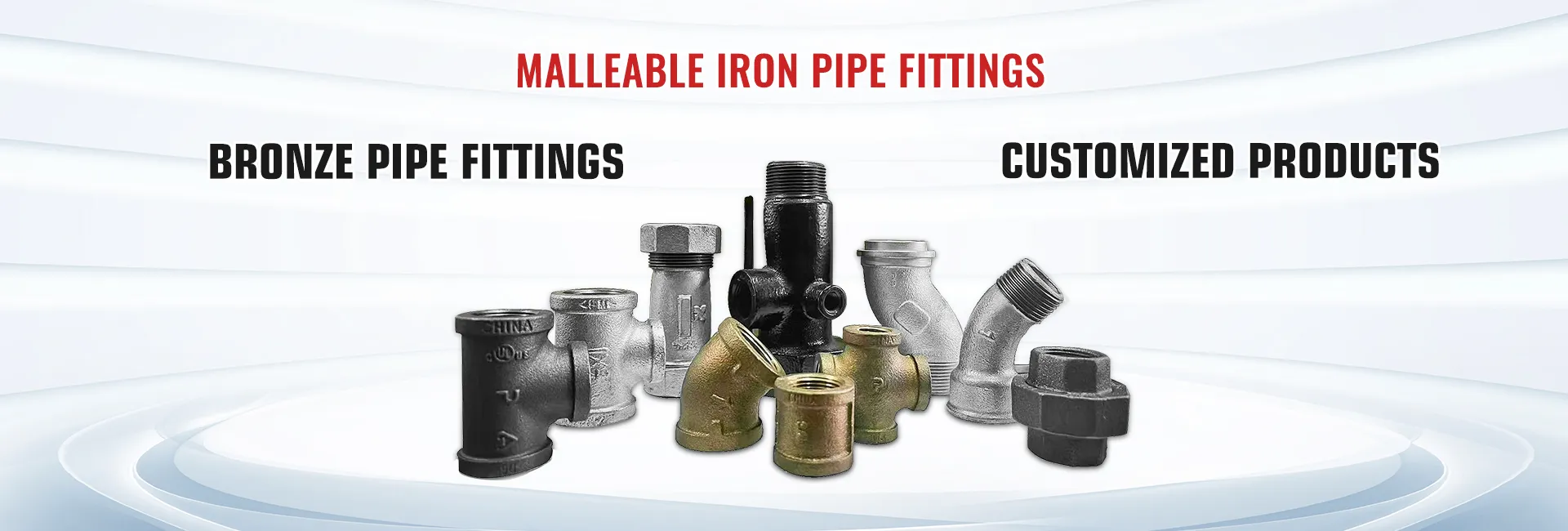

High quality pipe fittings
Feature Products

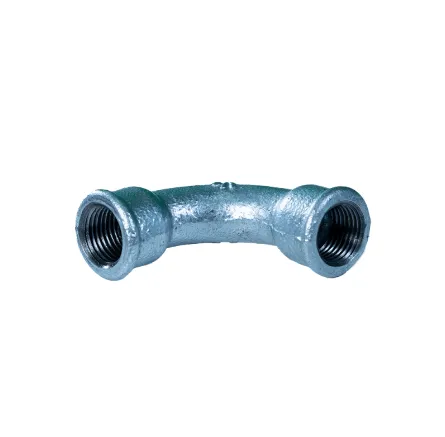
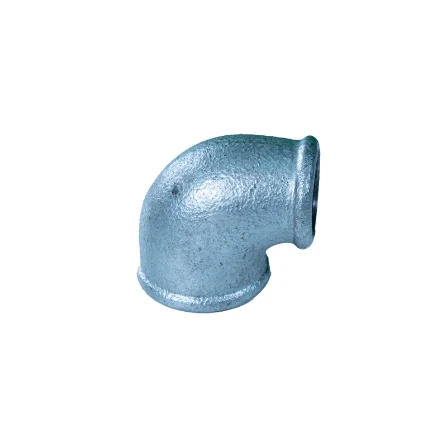

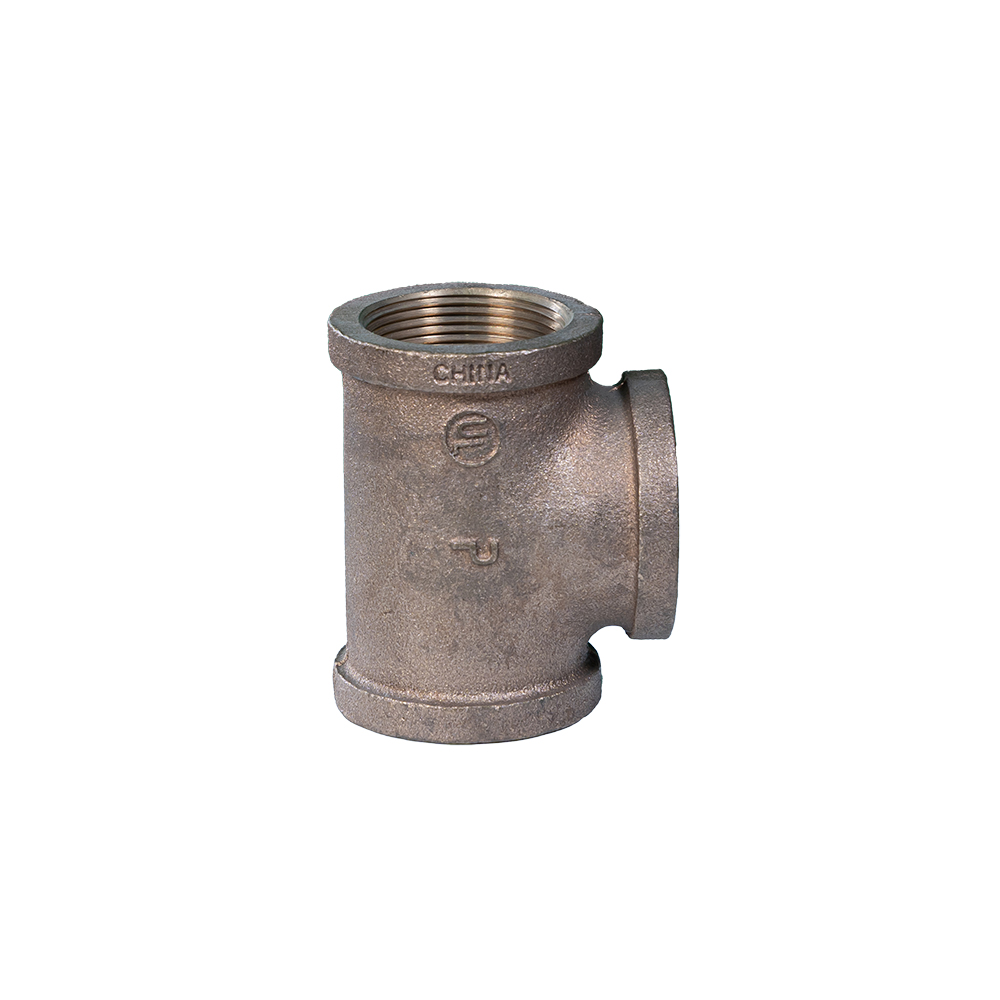
cast iron elbow
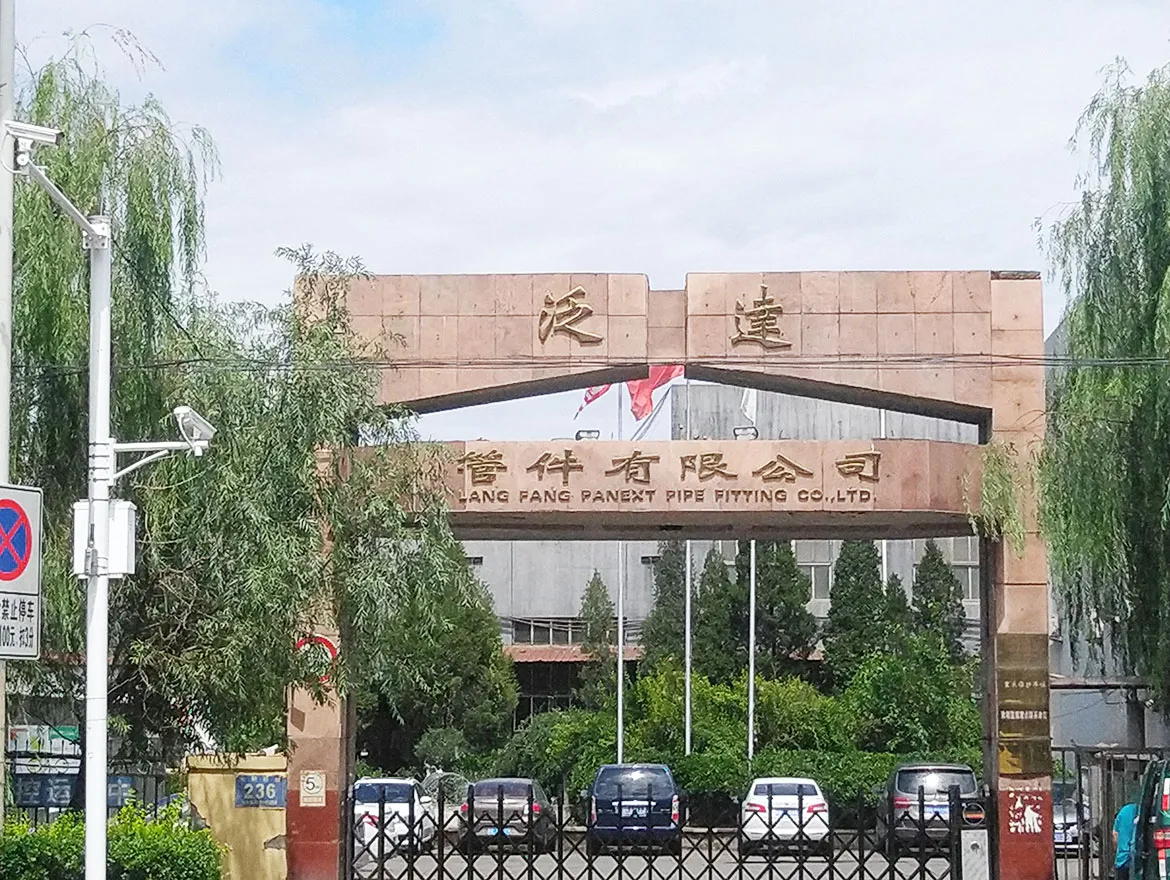
Field Notes on Malleable Cast Iron Fittings — the 90° Reducing Elbow NPT 300 Class If you work in piping long enough, you develop a soft spot for the humble reducing elbow. This one turns the line cleanly at 90 degrees and, handily, steps down the size without drama. I’ve seen crews in cramped boiler rooms grin when a well-cut thread bites on the first try. Origin story, by the way: 236 West Guangming Road, Langfang, Hebei, China. What it is, briefly Short version: when two threaded pipes of different sizes need a 90° turn and a flow direction change, this 90° Reducing Elbow (NPT, 300 Class) is the go-to. Thread-on, tighten, pressure up. Simple—though the engineering behind it is anything but. Core specifications (engine-room level) Parameter 90° Reducing Elbow NPT 300 Class Material Malleable cast iron per ASTM A197/A197M Thread standard NPT per ASME B1.20.1 (gauged) Dimensional standard ASME B16.3; EN 10242 (reference) Pressure class 300 psi CWP at ≈ 150°F (derate with temp) Size range (typ.) 1/2" × 3/8" up to 3" × 2" Finish options Black; Hot-dip galvanized per ASTM A153 (≈70–100 µm) Mechanical properties Tensile ≥ 350 MPa; elongation ≈ 10% (typ.) Testing Hydrostatic ≥ 1.5× design; thread gauge inspection Service life ≈ 25–40 years depending on media, temp, coating How it’s made (the quick tour) Start with white iron cast to spec → controlled annealing to get that “malleable” matrix → trimming and shot blasting → precision machining of NPT threads → zinc galvanizing if ordered → final gauging and hydrotest. In fact, the anneal curve is what separates a solid elbow from a headache; too fast, and toughness drops. QC teams usually run spectrochemical checks, thread plug/ring gauges, and dimensional audits against ASME B16.3/EN 10242. Where it actually gets used - Commercial HVAC loops, steam condensate, and chilled water branches. - Fire sprinkler takeoffs (check local approvals). - Compressed air, light oil lines, process utility headers in food and light manufacturing. - Agriculture irrigation manifolds. Many customers say they like the forgiving assembly—threads seat well even after a long day on site. Why Malleable Cast Iron Fittings still win Impact resistance compared with plain gray iron; thread integrity; sensible price-to-performance. And, to be honest, the field repairability is underrated—swap and go, no welding tickets needed. Vendor comparison (indicative) Vendor Lead time Certifications Customization Price index Pannext (Langfang, CN) ≈ 2–5 weeks ISO 9001; ASME/EN conformity; mill test reports Sizes, galvanizing, logo, cartons 1.00 Supplier A (EU) 3–7 weeks EN 10242; CE; ISO 9001 Coatings; special threads 1.25–1.40 Supplier B (US) Stock to 4 weeks ASME B16.3; UL/FM options (check) Quick-ship assortments 1.30–1.60 Data are indicative; real-world use may vary by region, approvals, and batch. Customization and QA Private labeling, special reductions, and heavy zinc coats are common asks. Thread sealing performance is usually validated with torque-to-seal tests and leak checks at 1.5× working pressure. I guess this is where consistent gauging saves rework on site. Mini case notes - Food plant utility upgrade: galvanized Malleable Cast Iron Fittings cut downtime by a shift because no hot work permit was needed. - Agricultural pump shed: downsized branches with reducing elbows trimmed pressure loss enough to stabilize the end guns—small win, big smiles. Market trends I’m seeing Tighter thread tolerances (CMM-verified), more hot-dip galvanized stock for coastal installs, and better batch traceability. Also, a steady rise in requests for EN- and ASME-cross referenced paperwork—surprisingly, even on basic utility lines. Standards and references ASME B16.3 — Malleable Iron Threaded Fittings ASTM A197/A197M — Standard Specification for Cupola Malleable Iron ASME B1.20.1 — Pipe Threads, General Purpose (Inch) EN 10242 — Threaded Pipe Fittings in Malleable Cast Iron ASTM A153 — Zinc Coating (Hot-Dip) on Iron and Steel Hardware
Participate in exhibition activities
EVENTS & Latest news English